
Your starting point
Make a record of what you need, who issues it and where it will be used. Keep sensitive originals outside this website.
Civil records should be ordered for a defined purpose, with the receiving authority's requirements in hand. Use the steps below to organise a decision, not to infer an official approval, a guaranteed price or a universal deadline.
Work through the decision
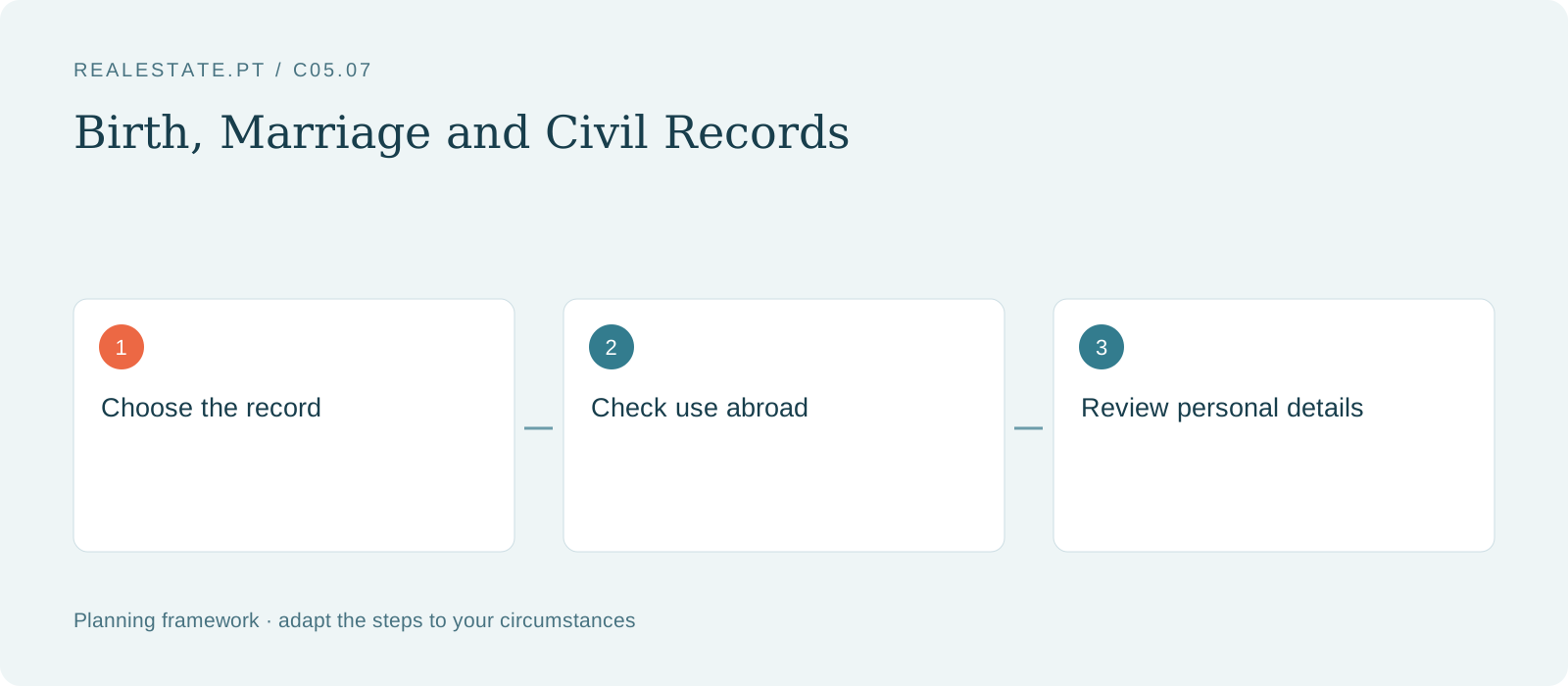
Choose the record
Confirm whether a full certificate, extract or another format is needed.
Check use abroad
Ask about certification, translations and any freshness requirement for this procedure.
Review personal details
Resolve inconsistent names, dates or transliterations before they cause problems in a later application.
Adapt this to your circumstances
Keep citizenship, current residence, household needs and the location of the home separate in your notes. Ask the responsible authority, institution or qualified professional to confirm any requirement that affects your situation. A checklist used by another household may not apply to yours.
Sources and checks
Tax Authority — apply for your NIF — an official starting point for this topic. The relevant page, its scope and effective date must be checked before a consequential decision.
No market prices, eligibility thresholds or legal deadlines have been invented for this guide. Dates in personal planning tools are suggestions or values you supply.
Make it practical
Open the Document and Deadline Tracker to keep the information you collect with your own assumptions, notes and next actions.
Open Document and Deadline TrackerSomething needs correcting? Report this page with its URL and a specific source.